Recently,replicas of Baoji bronzeware,represented by the renowned He Zun,were exhibited at the National Museum of Kazakhstan and featured in the China Pavilion at the Osaka World Expo.The displays attracted many domestic and international visitors,showcasing the unique charm of Chinese bronze civilization.
近日,以何尊为代表的宝鸡青铜器的复制品,亮相哈萨克斯坦国家博物馆,并走进大阪世博会中国馆,吸引不少海内外游客驻足观看,展现了中华青铜文明的独特魅力。
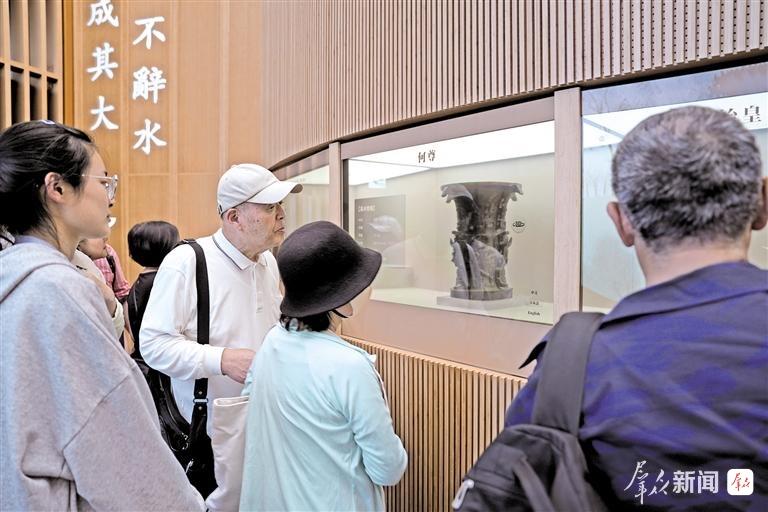
Around the world,cultures are facing the same question:How can tradition remain alive in a modern world?
当今世界,不同文明都在面对同一个课题:如何让传统在当下“活”起来?
In Baoji,a city in western China known for its archaeological significance,a young designer is attempting to bridge this distance.His name is Tan Jinxuan.His aim:to bring the language of bronze into everyday life.
在中国西部、因青铜重器而著称的宝鸡市,一位年轻设计师正在尝试缩短这段“历史的距离”。他叫谈瑾轩。他的目标,是让青铜器的语言走出博物馆,走进生活。
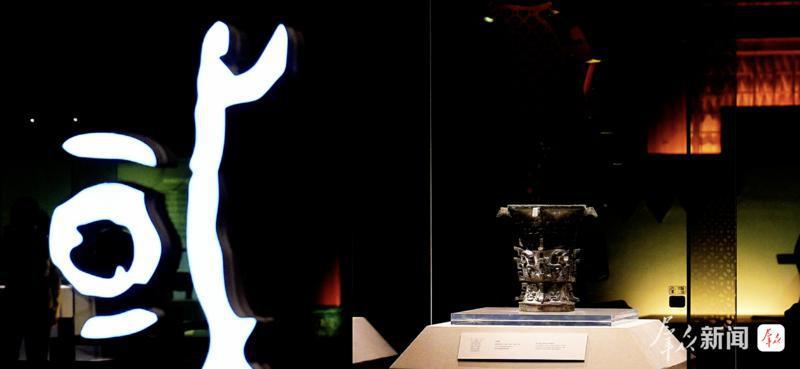
Tan's approach involves an unusual combination:the ancient motifs of bronze vessels,and the porcelain techniques of Jingdezhen—China's centuries-old center of ceramic craftsmanship.He believes the future of heritage lies in collaboration.
谈瑾轩选择了一种不寻常的路径:将青铜器上的古老纹样,与景德镇千年陶瓷工艺结合。他相信,文化的未来在于跨界合作。
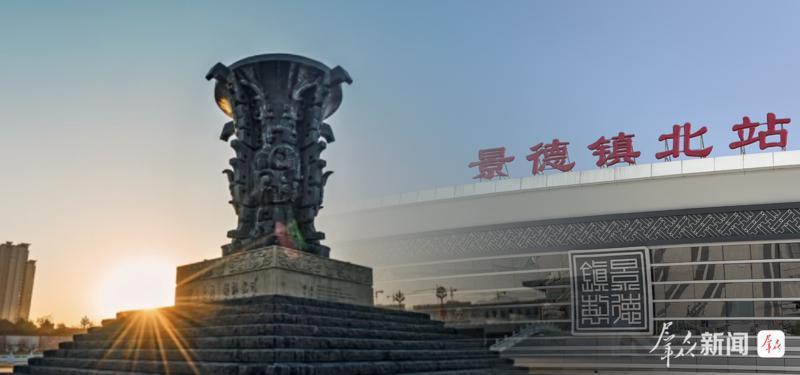
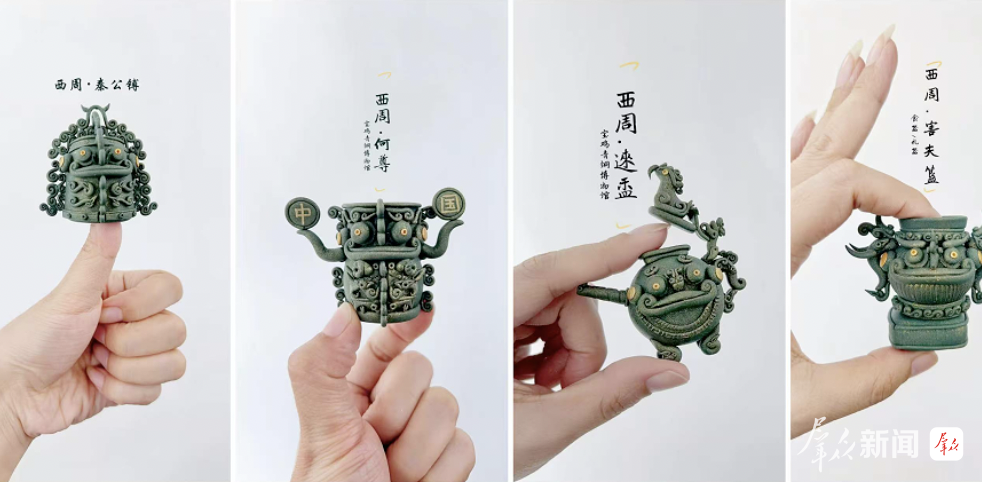
Over two years,his team digitised patterns from ritual bronzes such as the He Zun and Lai Pan,then adapted them for porcelain surfaces—a challenge involving heat,chemistry,and precision.Many attempts failed.Some cracked.Others blurred.
Eventually,a method emerged.Bronze motifs could be transposed—not exactly replicated,but reinterpreted—in glaze,carving,and form.
在两年时间里,他的团队将何尊、逨盘等青铜器上的纹样数字化,并尝试将其转译为陶瓷图案。这是一场关于温度、化学反应与细节控制的挑战。很多次尝试都以失败告终:有的开裂,有的图案模糊不清。
最终,他们找到了一种路径——青铜的语言可以被转写,不是简单复刻,而是以釉彩、雕刻与造型进行再表达。


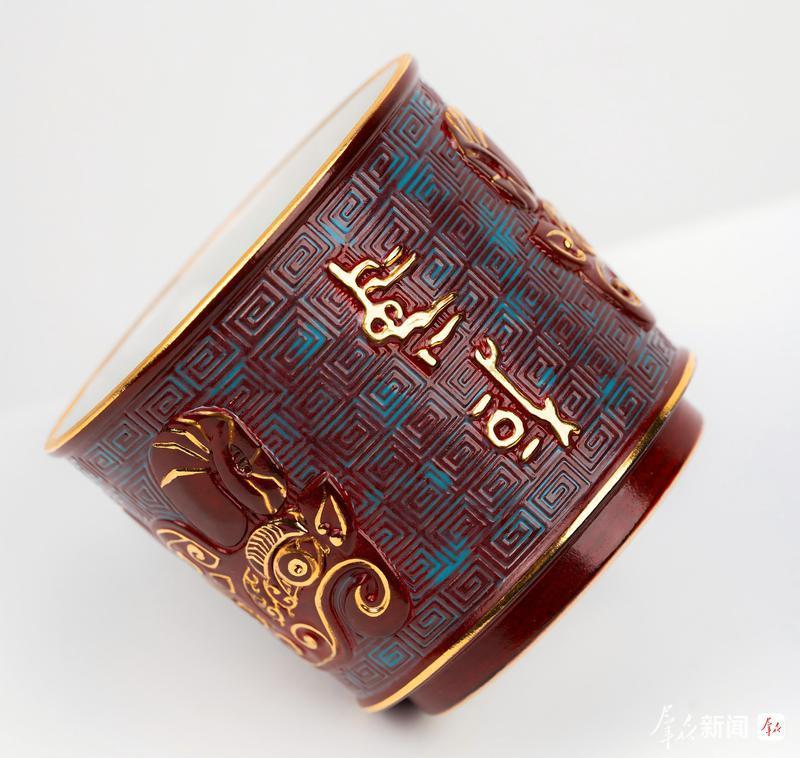
The result is a series of functional objects:teaware,writing tools,display pieces—all rooted in heritage,yet shaped for modern use.The line is called"Ceramic Echoes of Bronze."
最终成果是一系列可使用的器物:茶具、文房、展示器皿——它们源于文化,却为当代生活而设计。这个系列被命名为“礼乐瓷韵”。
In a country with over 5,000 years of history,preserving the past is a constant effort.But initiatives like Tan's suggest that preservation may also involve transformation—not only keeping heritage intact,but allowing it to evolve in new forms,new materials,and new contexts.
在这个拥有五千年历史的国家,保护传统始终是一项持续的任务。而谈瑾轩的尝试也许提供了另一种可能:传承不一定意味着原样保存,它也可以是在新材料、新载体和新场景中延续文化的生命。
This is not just about bronze or porcelain.It's a small but telling example of how younger generations in China are engaging with tradition—not by looking back,but by building forward.
这不仅仅关乎青铜或瓷器。它是一个细微却有力的例子——中国的新一代如何理解传统,不是简单回顾历史,而是在转化中前行。
统筹:高振博 穆骋
制作:刘坤 李静茹 王琦 王丹 聂文濠
更多资讯,下载群众新闻